
Mahavatar Babaji
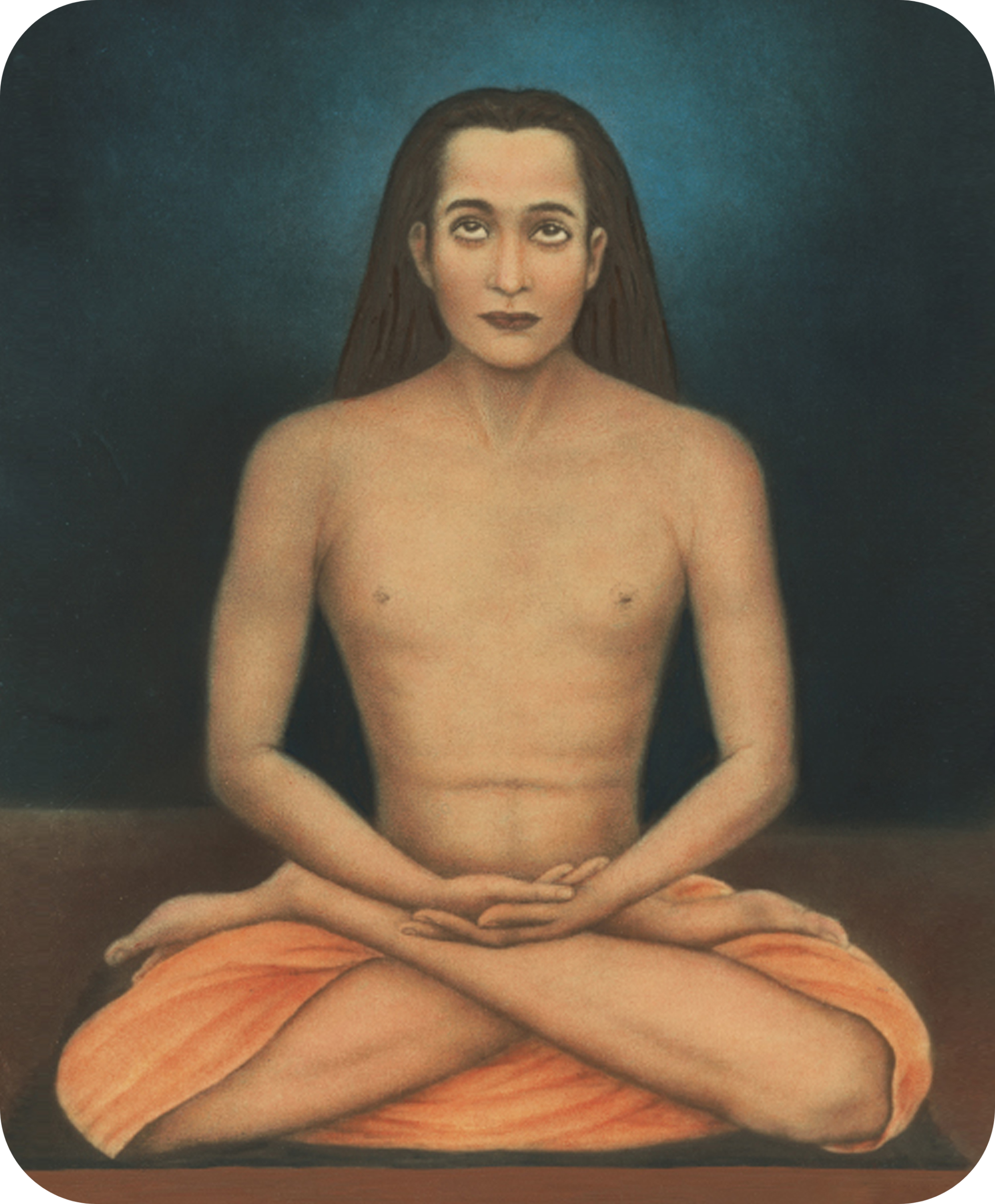
The “Autobiography of a Yogi” by Paramahamsa Yogananda portrays Mahavatar Babaji as an eternal yogi who lived in the Himalayas for centuries. Babaji’s true identity was unknown to all, so Sri Lahiri Mahasaya bestowed upon him the name “Babaji,” which has remained with him ever since. “Babaji” is a term that translates to “revered father,” while “Mahavatar” is a term that denotes “great avatar.”
The modern era saw the reintroduction of Kriyayoga, a scientific spiritual practice that had been forgotten. This was made possible by Mahavatar Babaji. The first time Yogiraj Sri Shyamacharan Lahiri Mahasaya encountered Mahavatar Babaji was in 1861, when he was transferred to Ranikhet to fulfill his official duties as a British government accountant. On that occasion, Mahavatar Babaji revealed to Sri Lahiri that he was his guru from the past and gave the Kriyayoga initiation to him a few days later.
Sri Lahiri Mahasaya desired to be in close proximity to Babaji. On the other hand, Babaji directed him to return and disseminate Kriyayoga throughout the world. Furthermore, Babaji informed him that he had been selected to spearhead the effort to promote Kriyayoga during this period. Through his endeavors, he anticipated that the Kriyayoga sadhana would eventually disseminate throughout the entire globe.
Babaji encountered numerous disciples of Sri Lahiri Mahasaya between 1861 and 1935. Paramahansa Yogananda’s “Autobiography of a Yogi” shares some of these experiences, as well as a first-person account of Yogananda’s personal encounter with Babaji. According to Sri Yoganandaji’s Autobiography of a Yogi, Babaji has been selected by God to remain in his body for the remainder of this particular world cycle. The ages will pass, but the deathless master will stay on this terrestrial stage, watching the drama of the ages.